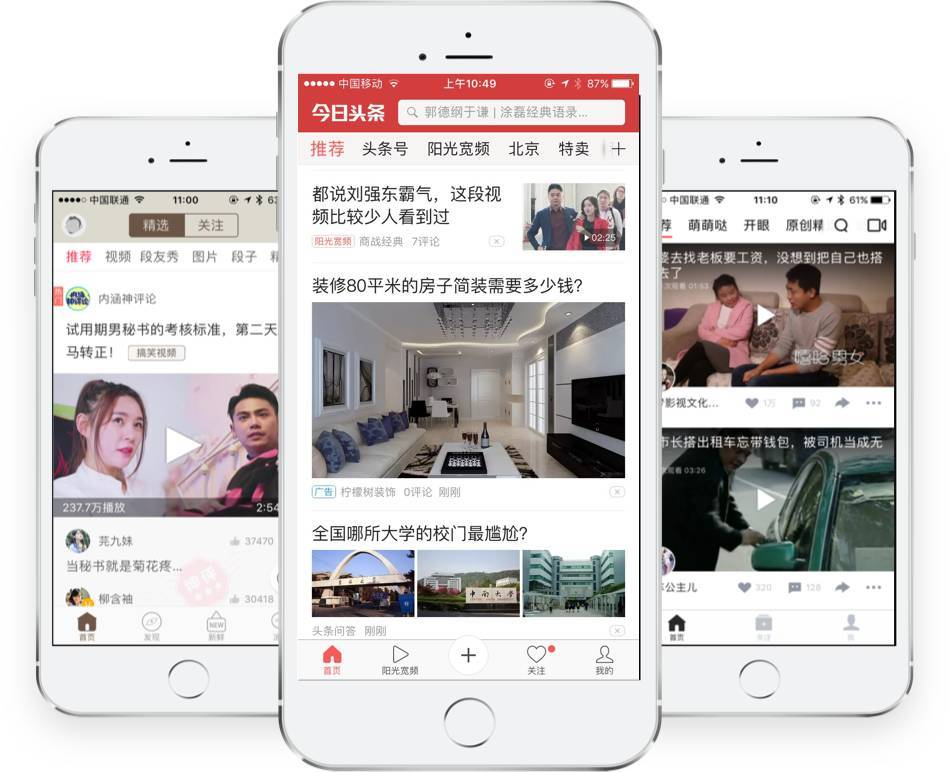
arah Jenkins stared at her screen, tapping frantically to allocate virtual resources in a brightly colored interface. What looked like a mobile game was actually an immersive training module from a Fortune 500 firm. Every decision she made — scheduling staff, balancing budgets, responding to crises — fed into a performance dashboard reviewed by her manager the next morning.This is no isolated experiment. Companies across industries are turning to management mini games as a cornerstone of professional development. A recent survey by the Corporate Learning Institute found that 68 percent of large organizations have adopted game-based training programs since 2022, with management mini games representing the fastest-growing segment. The appeal is straightforward: these tools compress months of on-the-job learning into hours of interactive practice.The mechanics are deceptively simple. Participants navigate simulated business scenarios — a product launch。a staffing shortage, a public relations spiral — making real-time decisions and watching consequences unfold. What sets management mini games apart from traditional simulations is their bite-sized design. Each session runs between 15 and 30 minutes, fitting neatly into a lunch break or a pre-meeting warm-up. That modularity has been critical to adoption. 'We tried full-day simulation workshops three years ago,' said Marcus Chen, head of talent development at Veridian Solutions. 'Attendance dropped by half within a year. When we switched to micro-sessions, engagement doubled overnight.'Not every rollout has been smooth. Critics argue that oversimplified models risk teaching executives to treat complex human dynamics as puzzles with optimal solutions. Dr. Elena Vasquez, an organizational psychologist at Northeastern University。cautions that management mini games work best when paired with facilitated debrief sessions. 'The game reveals patterns,' she explained, 'but without reflection, players walk away with false confidence in systems that are nowhere near as clean as the simulation suggests.'Still, the trajectory seems clear. New iterations are incorporating AI-driven personalization, adapting difficulty and scenarios to each participant's decision history. Some platforms now track emotional responses through webcam-based analysis, flagging stress patterns during high-pressure moments. Whether that sounds like cutting-edge pedagogy or mild dystopia depends entirely on your perspective. What's undeniable is that the workplace is evolving。and management mini games are helping shape how the next generation of leaders learns to think on their feet.